Nataleigh, a kitchen, and a lot of tallow.
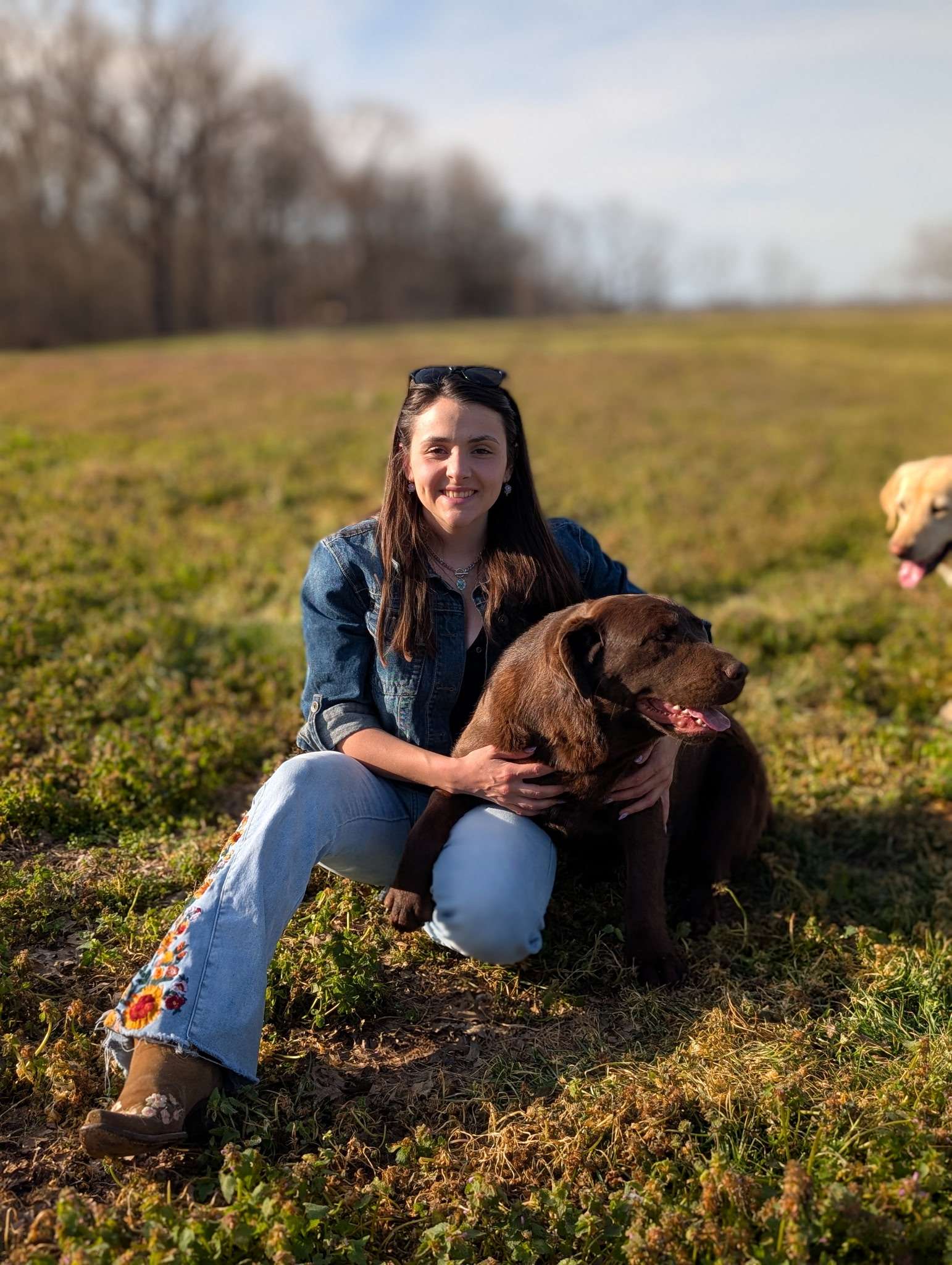
I named my business Feather & Fur after two of my favorite things: my chickens and my dogs.
It started with eggs. I was selling farm fresh eggs, and people kept joking that I should start a farmstand. What started as a joke turned into something real. I began selling my eggs, produce from my garden, and eventually my handmade beef tallow bar soaps.
The soaps took on a life of their own. I take my time to carefully craft each bar, and every one is made with love. My eggs and produce are only available at my table at farmers markets in my area, but here you can buy my soaps and have them shipped straight to your door.
Bar soap is where I started online, but Feather & Fur is growing. My lotion and liquid laundry detergent are here now, with more farm-fresh, natural products on the way.
How I make it.
I make my soap the old-fashioned way with a modern twist. I use the hot process method. Beef tallow, water, and lye are the base for every bar. I cook the mixture down, then add in essential oils or coffee depending on what I'm making.
Whether you want a fresh-smelling bar or one with no additives at all, I've got you covered. The one thing I won't budge on is what goes in: natural, quality ingredients I'd happily use on my own family.
Natural, quality ingredients. No compromises.
My ingredient list fits on a Post-it note.
The dogs approve every batch.